
India
Supreme Court Clears Way for Caste Census, Dismisses Opposition Plea
May 20, 2026 Source: News Katha
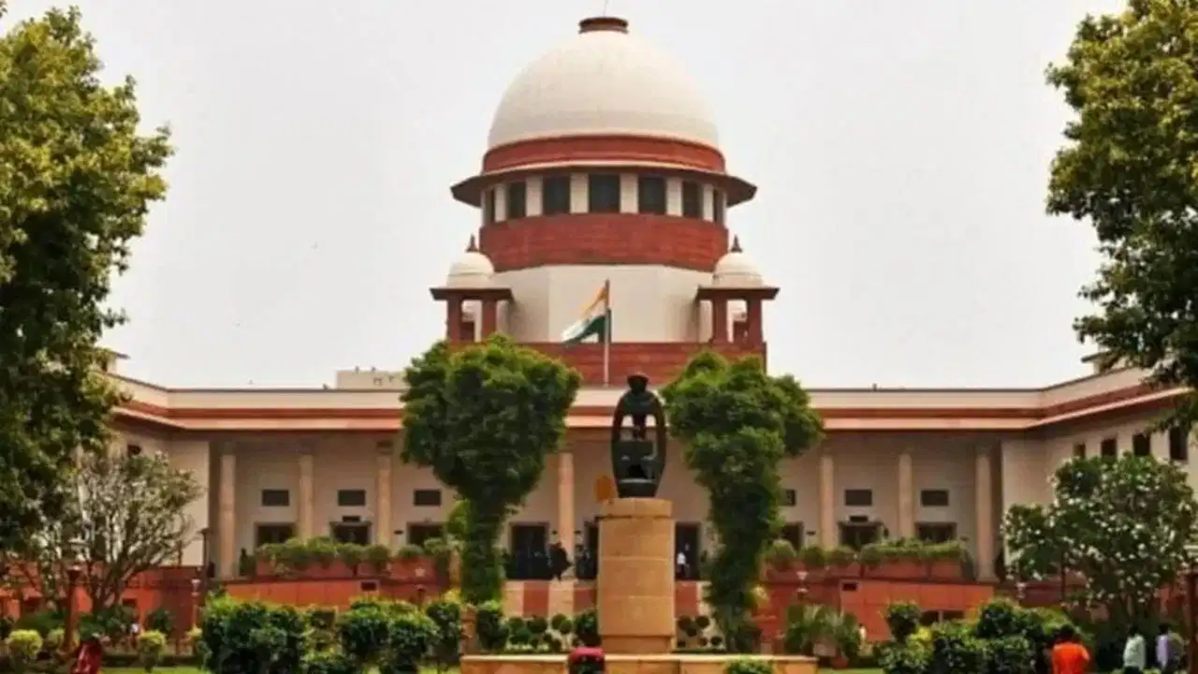
The Supreme Court has dismissed a Public Interest Litigation (PIL) challenging the caste-based census, stating that the issue falls under the government’s policy domain and does not require judicial interference. A bench led by Chief Justice of India (CJI) Surya Kant, along with Justice Joymalya Bagchi and Justice Vipul M. Pancholi, ruled that decisions regarding whether the census should include caste data are for the government to make.
During the hearing, the petitioner argued that a caste census could lead to misuse of sensitive social data and claimed that the government already possesses enough information regarding different communities. The plea requested that caste-related questions be excluded from the upcoming national census exercise.
However, the Supreme Court rejected these arguments. The bench observed that the government must have accurate information about the population of Other Backward Classes (OBCs) and other backward communities in order to formulate effective welfare schemes and development policies. The court emphasized that such administrative and policy decisions are within the government’s authority unless they clearly violate constitutional or legal provisions.
CJI Surya Kant remarked that understanding the demographic composition of backward classes is important for governance and policymaking. The court further clarified that it cannot interfere in policy matters simply because some individuals disagree with them. As a result, the PIL was dismissed.
Meanwhile, India’s Census 2027 process has already begun in phases. The first phase started on April 1, 2026, and includes houselisting and household enumeration. This phase, conducted from April 16 to May 15, focuses on collecting information related to households, housing conditions, and property details. The second phase, scheduled for 2027, will gather detailed information about individual family members.
For the first time, the census is being conducted digitally, and citizens are also being provided a 15-day self-enumeration window before door-to-door surveys begin. Currently, the first phase has been launched in eight states and union territories, including Karnataka, Odisha, Goa, Mizoram, Sikkim, Lakshadweep, Andaman and Nicobar Islands, and selected areas of Delhi such as NDMC and Delhi Cantonment.
The government plans to complete the survey process in every state and union territory within a fixed timeline, marking one of the most technologically advanced census operations conducted in the country so far.